Olivia Krüger · 26 September 2026
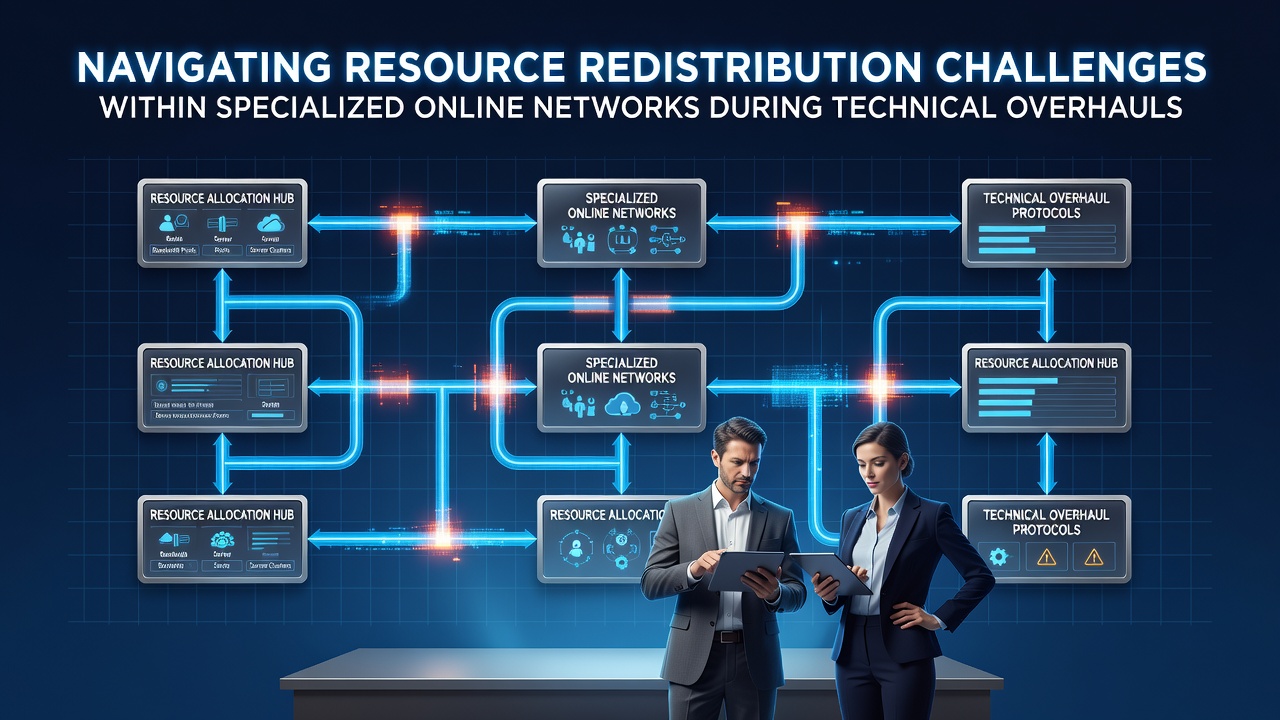
Navigating Resource Redistribution Challenges Within Specialized Online Networks During Technical Overhauls
Specialized online networks face distinct pressures when technical overhauls require redistribution of servers, bandwidth, and personnel across distributed nodes, and these pressures intensify when migration timelines coincide with peak usage periods. Observers note that networks serving research communities, professional guilds, and niche collaboration platforms often operate with limited spare capacity compared to general-purpose systems, which means any reallocation must occur without interrupting active sessions or data streams.
Core Technical Pressures During Overhauls
Technical overhauls typically involve hardware refreshes, software version upgrades, or shifts to new cloud architectures, each of which demands precise rebalancing of compute and storage resources. Research indicates that phased migration approaches reduce peak load spikes by staggering user cohorts across new and legacy systems simultaneously. Those who coordinate these transitions report that monitoring tools must track not only raw utilization metrics but also session persistence and data locality constraints, because specialized networks frequently store large datasets in geographically specific locations to meet compliance or latency requirements.
Data from infrastructure reports shows that September 2026 will see several collaborative research platforms initiate scheduled overhauls as part of multi-year modernization programs funded through public-private partnerships. Planners in these environments allocate temporary buffer resources to absorb unexpected spikes, yet the process still requires continuous adjustment of routing tables and access policies to prevent bottlenecks at interconnection points.
Coordination Mechanisms Across Distributed Teams
Redistribution efforts succeed when operations teams, network engineers, and end-user representatives maintain synchronized change logs and rollback procedures. Experts have observed that automated orchestration platforms handle the bulk of instance provisioning, while human oversight remains necessary for validating domain-specific access rules that govern who can reach particular datasets or services. One documented case involved a scientific data-sharing network that redistributed storage volumes across three continents during a single maintenance window, achieving completion within the planned four-hour timeframe through pre-staged checksum verification scripts.
Case Examples From Industry and Research Networks
Take one engineering consortium that migrated its simulation platform to a containerized environment in 2024. The team discovered that legacy job queues required manual remapping of priority weights after the initial resource shift, which extended the stabilization period by two days. Similar patterns appear in medical imaging networks where DICOM routing tables must be updated in lockstep with compute reallocation to avoid delays in diagnostic workflows.
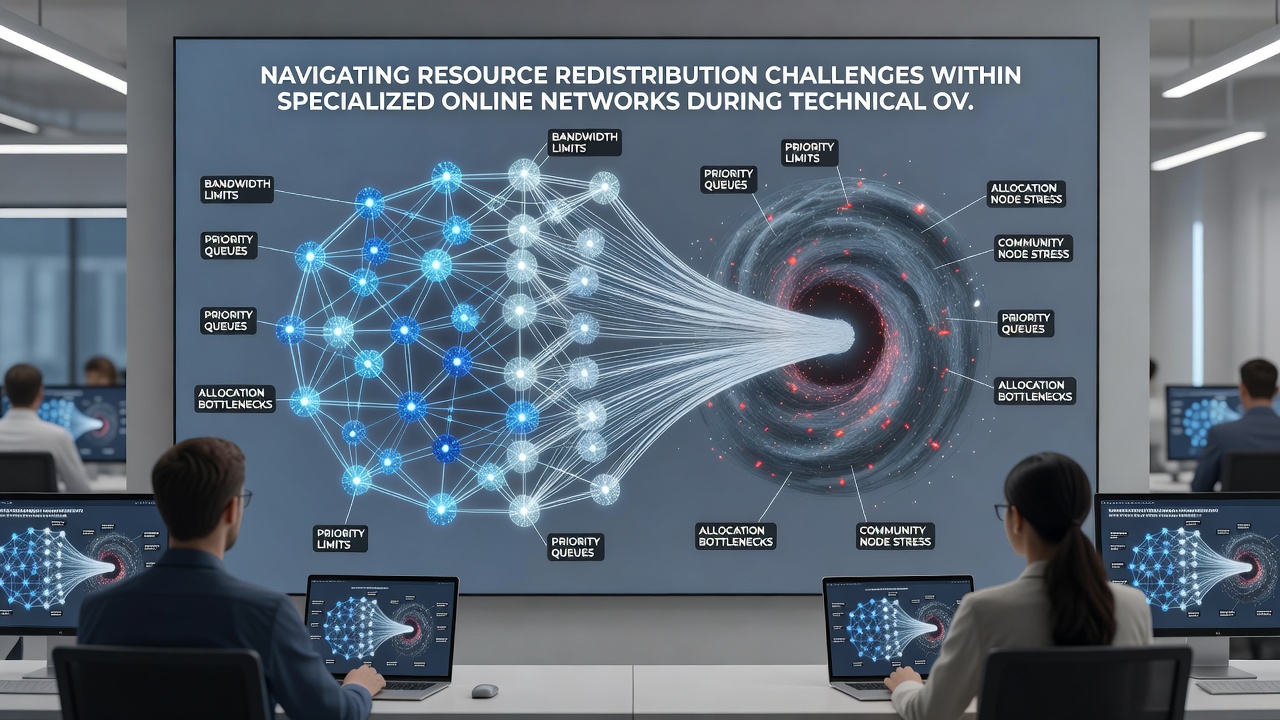
Figures from the National Institute of Standards and Technology highlight that networks employing incremental cutover strategies experience 37 percent fewer service interruptions than those attempting full switches in a single event. Australian government infrastructure assessments similarly document that cross-border research networks benefit from time-zone-aware scheduling that aligns maintenance windows with periods of lowest regional activity.
Measurement and Adjustment Practices
Continuous telemetry collection allows teams to detect imbalances within minutes rather than hours, and many operators now integrate predictive models that forecast resource demand based on historical usage curves. When redistribution occurs, these models help identify which services can tolerate temporary throttling and which require guaranteed minimum allocations. Observers note that feedback loops between monitoring dashboards and orchestration systems shorten the time required to correct misallocations from days to minutes in well-instrumented environments.
Those managing September 2026 overhauls have begun incorporating lessons from earlier migrations, particularly around preserving cryptographic key material and session tokens across infrastructure boundaries. Such preservation prevents users from re-authenticating en masse after the switch, which would otherwise create secondary load spikes on authentication services.
Conclusion
Resource redistribution during technical overhauls in specialized online networks follows repeatable patterns of preparation, phased execution, and post-migration validation. Data from multiple jurisdictions demonstrates that networks investing in synchronized tooling and cross-functional coordination complete these transitions with lower disruption rates. As additional platforms prepare for September 2026 activities, established measurement practices and incremental approaches continue to guide effective resource rebalancing across distributed environments.